
Introduction
Early vision screenings help find eye problems before they become serious. These simple checks can spot hidden issues that may not show clear signs. Because many eye problems develop slowly, early vision screenings are important for everyone. When you catch problems early, you can often prevent vision loss. In this blog, you will learn why early vision screenings matter, what they can detect, and how they help protect your eyes.
Why Early Vision Screenings Matter
Many eye problems do not cause pain or obvious symptoms at first. However, early vision screenings can find these hidden issues before they get worse. For example, children may not know they have trouble seeing. Adults may ignore small changes in vision. But with regular checks, you can catch problems early and get the right treatment. As a result, early vision screening benefits include:
In short, early detection leads to better outcomes for all ages.
Common Hidden Vision Problems Detected
Early vision screenings can find several hidden eye conditions in children and adults. Some of the most common include:
Because many of these problems start without warning, regular screenings are key.
Signs and Symptoms
Sometimes, hidden vision problems show only mild or subtle signs. Still, you should watch for these symptoms:
If you notice any of these signs, schedule a vision screening soon. Early action can make a big difference.
How Screenings Are Done
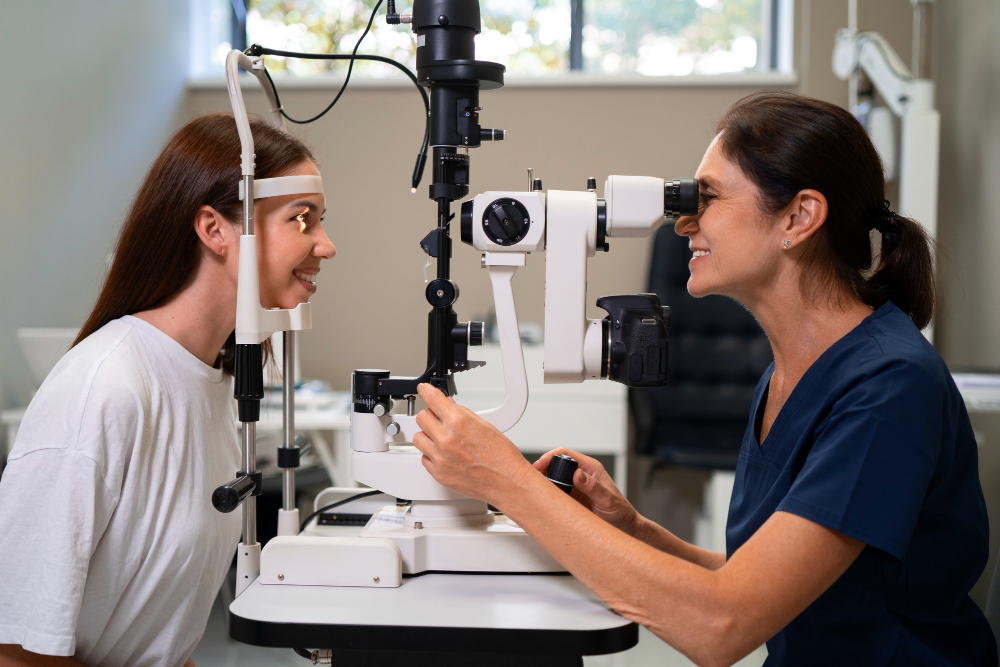
Vision screenings are quick and painless. Usually, an eye care specialist or trained nurse will guide you through simple tests. For example, you may be asked to:
Sometimes, special tools measure how your eyes focus. If a problem is found, the doctor may suggest a full eye exam. This helps find the exact cause and best treatment.
When and Who Should Get Screened
Everyone should have regular vision screenings, but some people need them more often. Here are some general eye exam recommendations:
Because early checks can prevent problems, do not wait for symptoms to appear.
Prevention and Lifestyle Tips
While screenings are important, you can also protect your eyes with healthy habits. Try these tips to prevent vision problems:
With these steps, you can help keep your eyes healthy between screenings.
Reliable Sources
Trusted organizations like the World Health Organization (WHO) and the Centers for Disease Control and Prevention (CDC) recommend regular vision screenings for all ages. Peer-reviewed ophthalmology journals also support early checks to prevent vision loss. For more details, visit the WHO and CDC websites or talk to your eye care specialist.
Conclusion & Call-to-Action
In summary, early vision screenings are a simple and effective way to detect hidden eye problems before they affect your sight. Since many eye conditions show no early symptoms, regular eye check-ups are essential for everyone. Protect your vision by acting early — schedule a comprehensive vision screening with Dr. Sudha, an experienced eye care specialist dedicated to keeping your eyes healthy and your vision clear.